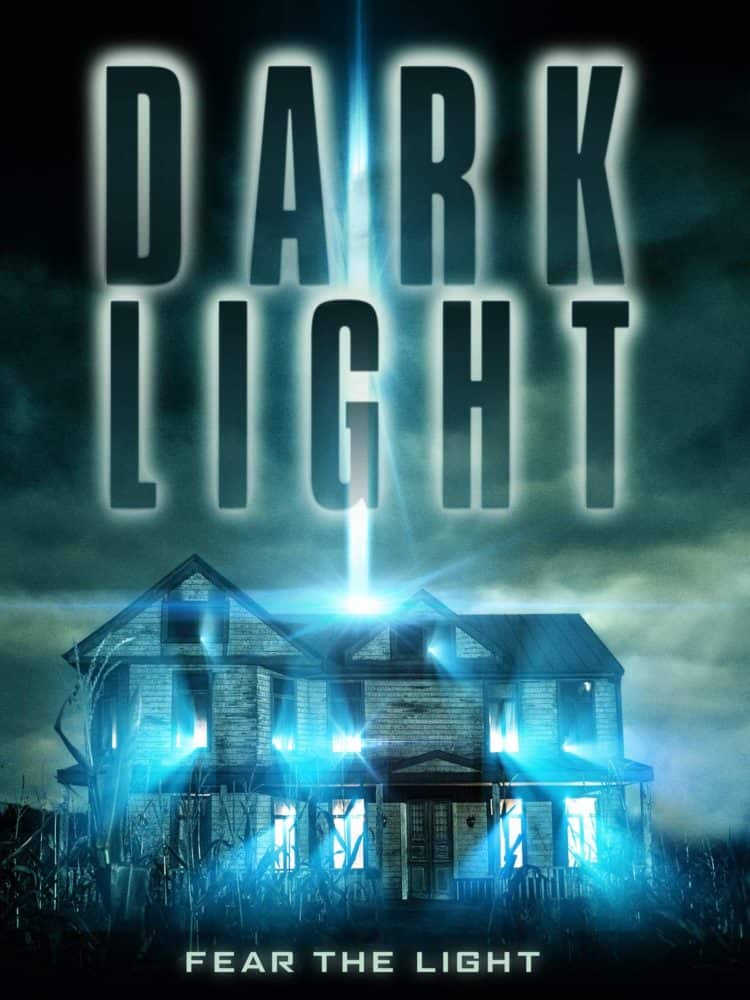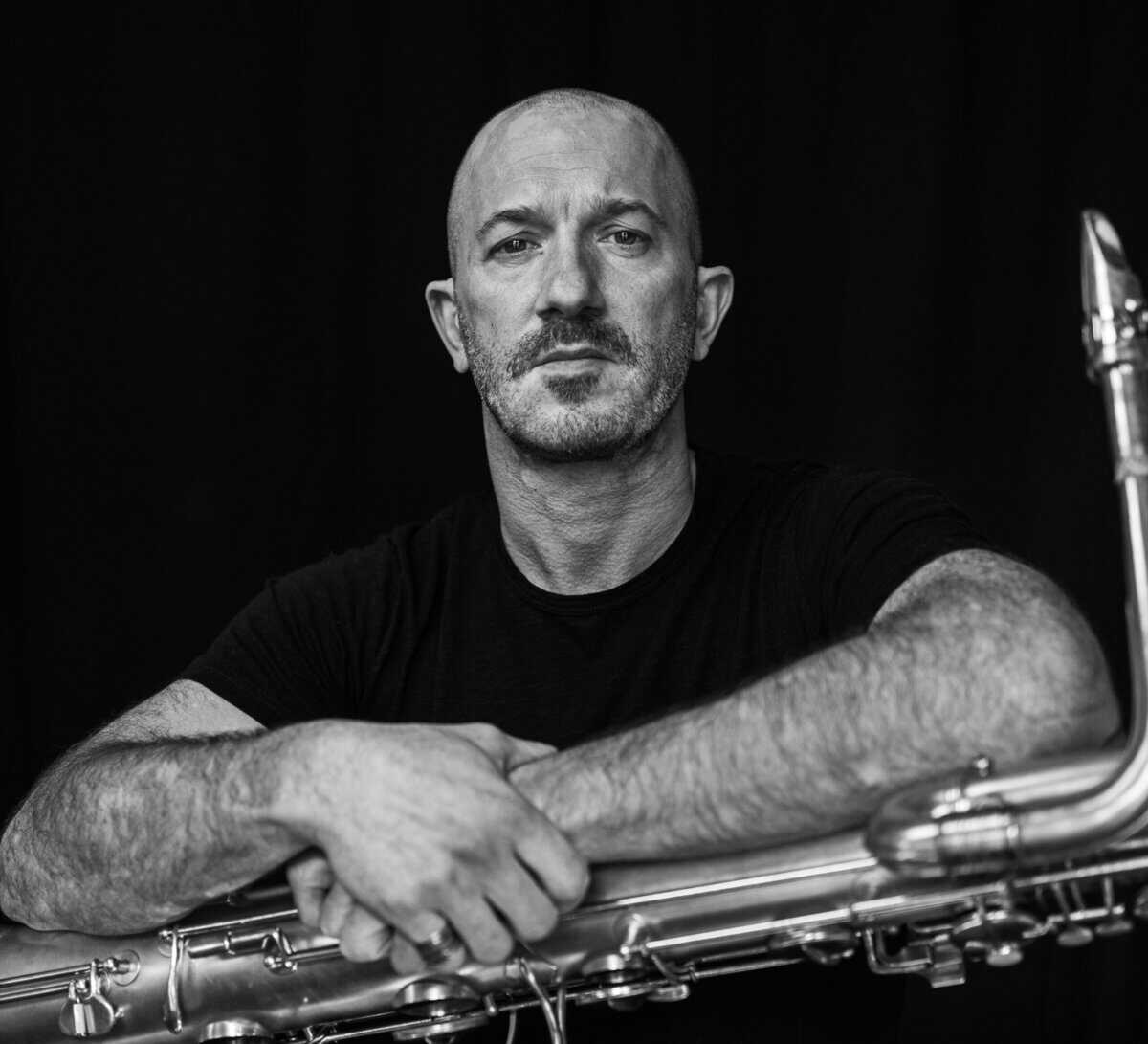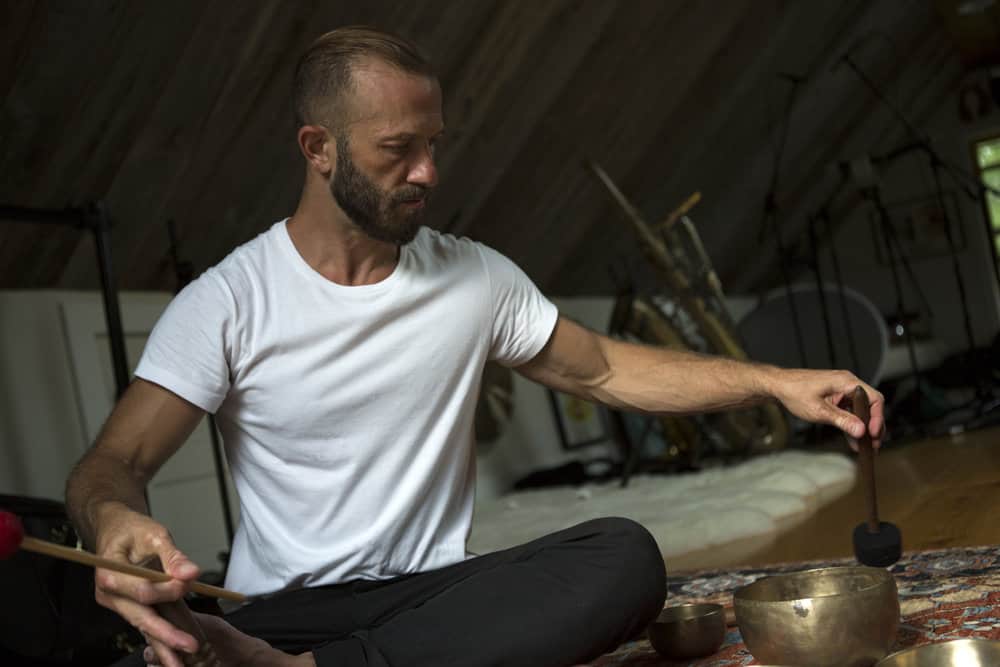
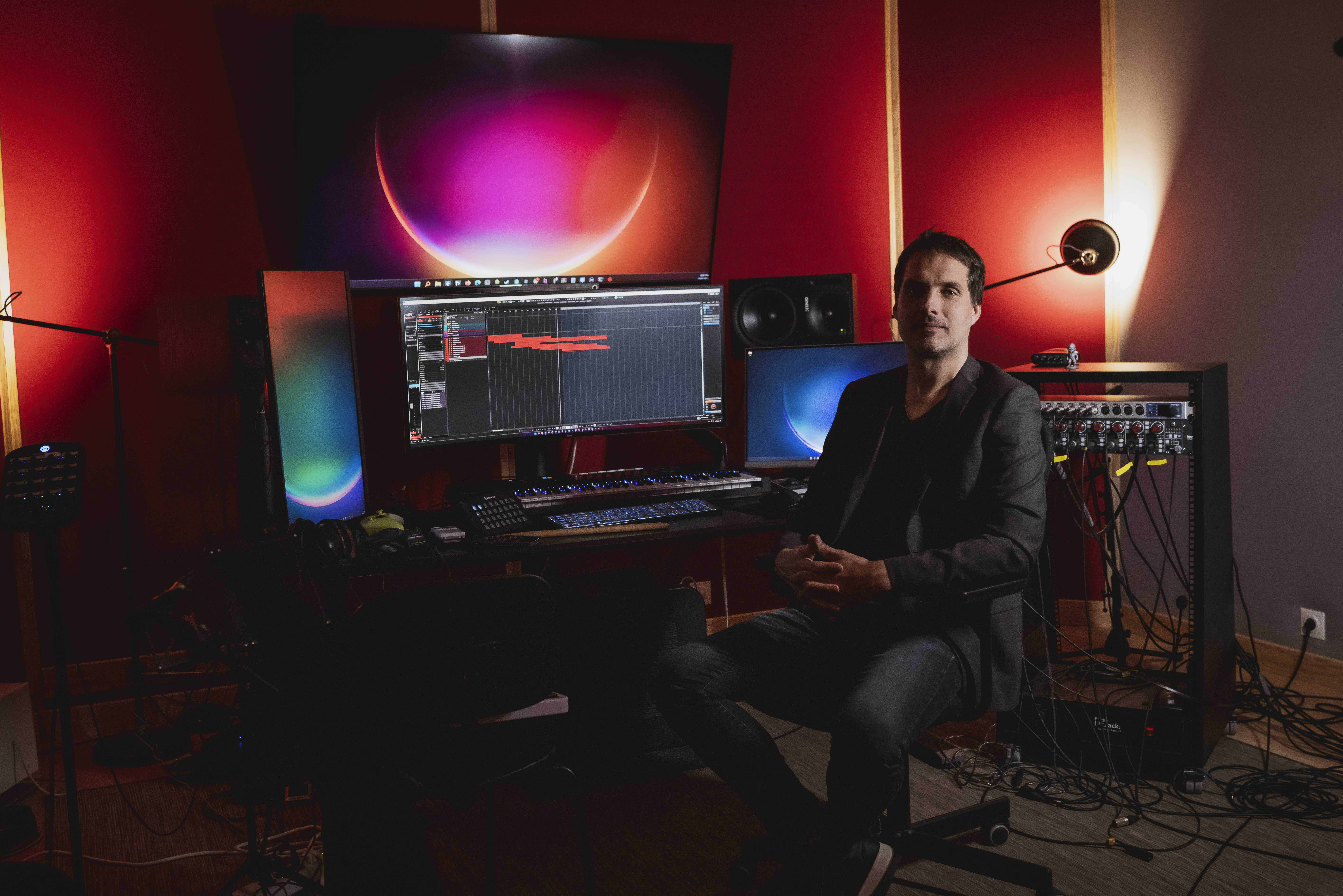
Olivier Deriviere (Plague Tale, Dying Late, Streets of Rage) joins me on The Film Scorer. Olivier has had two big projects come out within the last year or so, the third entries to the Dying Light (Dying Light: The Beast) and Plague Tale (Resonance: A Plague Tale Legacy) franchises. As such, we dig into the music of both games, which are strikingly different from one another, the latter having plenty of heavier, “rage”-filled moments (with inspiration from 28 Days Later) while the latter introduces a number of Greek instruments and choir, with any peace shattered with the roar of a carnyx.
Of course, we also dive into a number of other directions. The most notable of these, for me, is the responsiveness of a game’s score to the player’s actions. Oftentimes, a game’s score can serve as a backdrop in given locations or will have general responses to what happens in the game (such as going from exploration to combat), but Olivier goes much deeper, telling me that his scores can react to thousands of different parameters. For instance, in Dying Light: The Beast, the score responds to various elements of the game’s parkour system, changing as the player makes different moves, makes mistakes, or enters into a “flow state”, while Olivier used the game Get Even as a sort of R&D laboratory, pushing the extent to which the music and gameplay can interact. In his view, as games get increasingly technical with things like physics, lighting, and graphics, why shouldn’t the music follow suit?
Olivier’s scores for Dying Light: The Beast and Resonance: A Plague Tale Legacy, and much of his other music, is available on all major platforms while the games are available digitally. You can find out more about Olivier on his website.
Have a listen to our conversation below or wherever you get your podcasts (including Spotify and Apple Podcasts). Enjoying these interviews? Show the love by subscribing and leaving a rating or review!